NSW Solar & Battery Incentives Update: Household Income Eligibility Drops from $210,000 to $150,000

A new update to NSW solar and battery incentives 

If you’ve been considering installing solar panels or a home battery, there’s an important government update worth knowing about. 

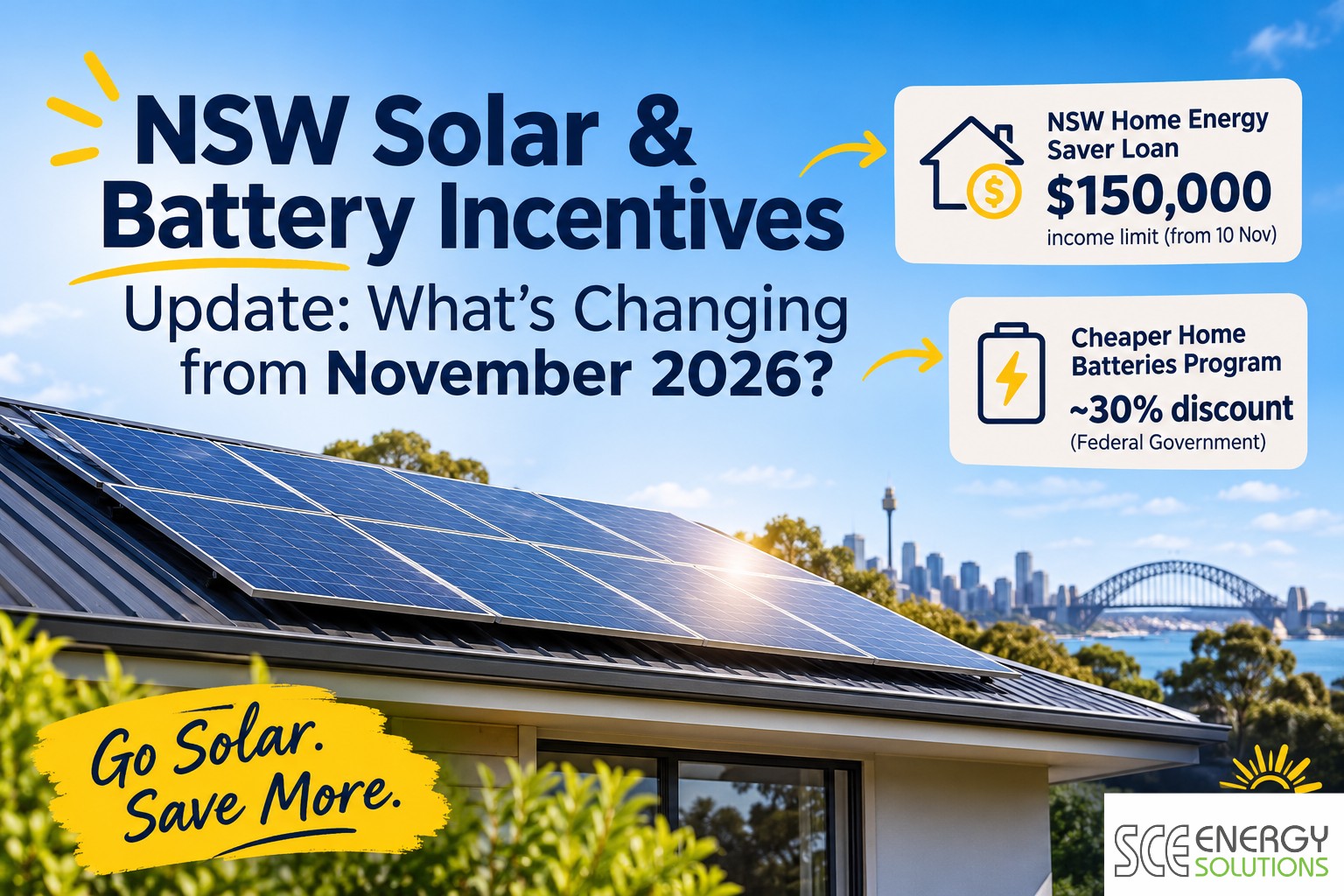
The NSW Government has announced changes to its Home Energy Saver program, reducing the combined household taxable income eligibility threshold for its zero-interest energy upgrade loans from $210,000 to $150,000 per year. 

The changes take effect from 10 November 2026 and will impact households looking to access financial assistance for energy upgrades, including rooftop solar and home battery installations. 

So, what exactly is changing, and what does this mean for homeowners looking to make the switch to solar? 

Let’s break it down. 

  1. What’s changing with the NSW Home Energy Saver program?

Previously, eligible NSW households with a combined annual taxable income of up to $210,000 could apply for a zero-interest loan of up to $15,000. 

From 10 November 2026, this income threshold will be reduced to $150,000. 

The loan allows eligible homeowners and landlords to spread the cost of approved energy upgrades over a period of up to 10 years without paying interest. 

These upgrades include: 

  • Rooftop solar panel installations. 
  • Home battery storage systems. 
  • Reverse-cycle air conditioning. 
  • Heat pump hot water systems. 
  • Other eligible energy-efficiency upgrades. 

What does this mean for households? 

If your combined household taxable income is below $150,000, you can continue to explore the zero-interest loan, subject to the program’s other eligibility and finance-provider requirements. 

Importantly, simply receiving a solar quote before the deadline is not enough. Your loan application must be submitted before the cutoff. 

  1. How much financial assistance can you receive?

The Home Energy Saver program offers two different types of assistance. 

Zero-interest loans 

  • Up to $15,000 in finance. 
  • Repayable for over 10 years. 
  • Available for eligible energy upgrades, including solar and batteries. 
  • Subject to household income and finance-provider eligibility. 

Home Energy Saver discounts 

Eligible households may also access discounts of up to $4,000 towards approved energy upgrades. 

These discounts are targeted at households with a combined gross annual income of up to $80,000 or those holding an eligible concession card. 

Unlike the loan, the discount program is also designed to include eligible renters, subject to its conditions. 

  1. What about the Federal Government’s battery rebate?

While the NSW Government is changing its loan eligibility requirements, there is also a separate Federal Government incentive worth considering. 

The Australian Government’s Cheaper Home Batteries Program provides an upfront discount of around 30% on eligible battery installations. 

This incentive is available for eligible batteries connected to new or existing rooftop solar systems, including residential and small business installations. 

Importantly, this is a separate federal incentive and does not have the same $150,000 household income eligibility threshold as the NSW Home Energy Saver loan. 

This means homeowners who no longer qualify for the NSW zero-interest loan may still be eligible for the federal battery discount. 

The amount of support depends on the battery’s eligible capacity and applicable program rules. 

  1. Is installing solar and battery still worth it?

With electricity prices continuing to put pressure on household budgets, investing in solar energy remains a practical way to take greater control of your electricity consumption. 

A properly designed solar system allows you to generate electricity during daylight hours, reducing the amount of power you need to purchase from the grid. 

Adding a battery takes this step further. 

Instead of sending excess solar energy back to the grid during the day, you can store that energy and use it later in the evening when your household needs it. 

Some of the key benefits include: 

  • Lower electricity bills: Generate your own electricity and reduce reliance on grid power. 
  • Greater energy independence: Store excess solar generation for use when the sun goes down. 
  • Better use of solar energy: Make more use of the electricity your panels generate rather than exporting it. 
  • Long-term savings: Reduce exposure to rising electricity costs over the life of your system. 
  • A more sustainable home: Reduce reliance on conventional grid electricity and support the transition towards renewable energy. 

Of course, the savings will depend on your household’s electricity consumption, system size, battery capacity, electricity tariff, and installation costs. 

The key is choosing a system that is designed around how you actually use electricity. 

  1. What should NSW homeowners do next?

Government incentives can make the transition to solar and battery storage more affordable, but understanding which programs apply to your circumstances is just as important. 

If you’re considering an installation, it’s worth looking at: 

  • Your current household electricity consumption. 
  • Whether solar panels alone or a solar and battery combination would be more suitable. 
  • Your eligibility for the NSW Home Energy Saver program. 
  • Whether you can access the Federal Government’s Cheaper Home Batteries Program. 
  • The potential long-term savings based on your energy usage. 

Remember, government incentives and rebates have different eligibility requirements, so it’s important to check the latest program guidelines before making a decision. 

Thinking about solar or battery storage? 

At SCE Energy Solutions, we believe that going solar is about more than simply installing panels on your roof. It’s about understanding your energy needs and designing a system that delivers real value over time. 

With more than 18 years of experience in the solar industry, we help homeowners find practical solar and battery solutions suited to their properties, energy consumption and budgets. 

Whether you’re considering rooftop solar, adding a battery to an existing system or starting from scratch, our team can help you understand your options. 

Ready to explore your solar options? 
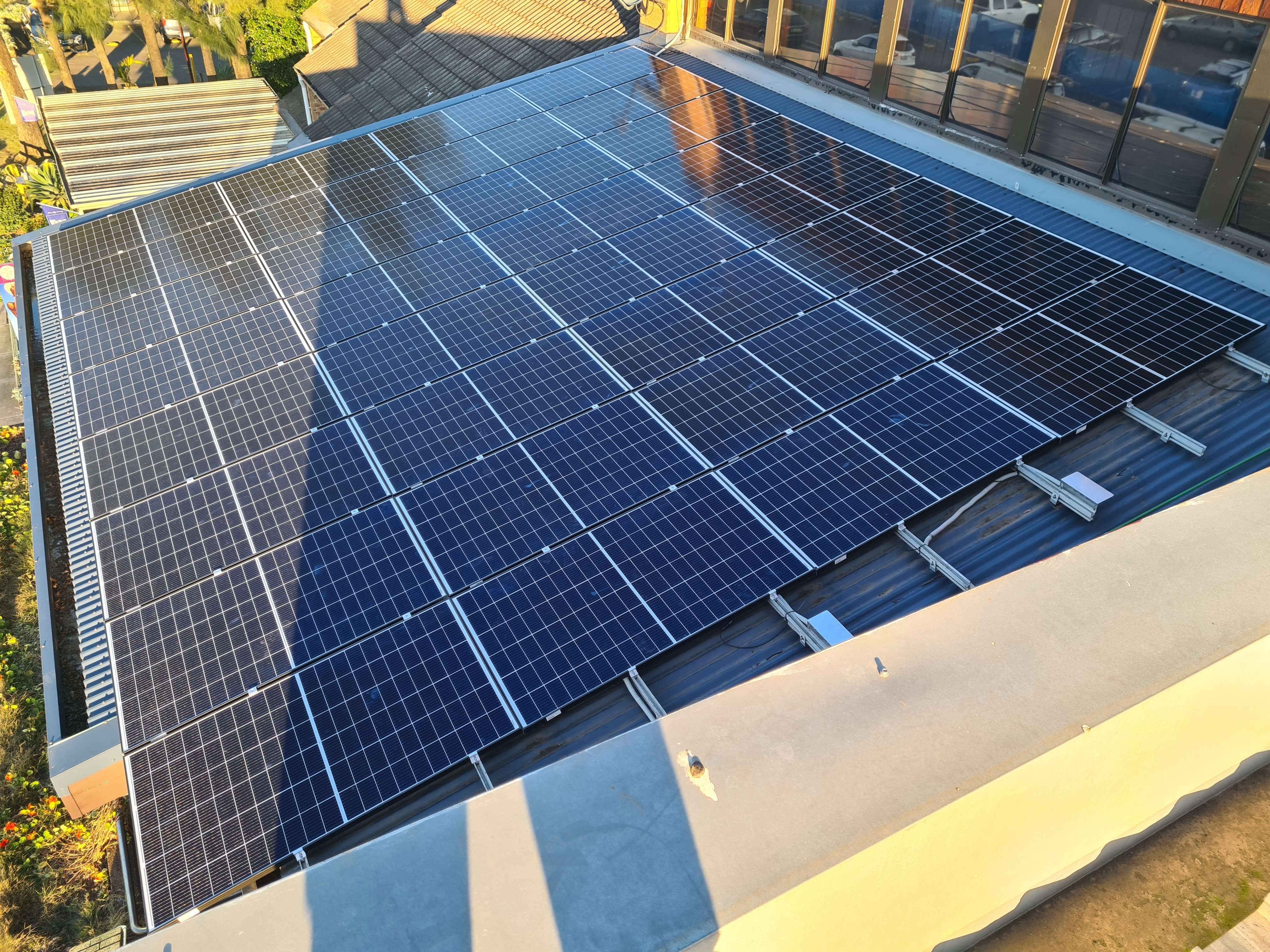
Get in touch with SCE Energy Solutions today for a consultation and find out how you can make the most of the available solar and battery incentives. 


With rising living costs, electricity expenses and financial uncertainty putting pressure on Australians, could solar power be one of the smartest long-term energy decisions for homes and businesses? 

Economic uncertainty changes the way we think about spending. Households are looking for ways to manage their bills, while businesses are reviewing operating costs, improving efficiency, and looking for opportunities to protect their bottom line. 

One expense that often gets overlooked is electricity. 

Whether you’re running a family home, a manufacturing facility, a warehouse, or a commercial kitchen, energy is essential to everyday operations. Unfortunately, it can also represent a significant and ongoing cost. 

This is where solar power comes into the picture. 

While installing solar panels requires an upfront investment, generating your own electricity can help reduce reliance on the grid, improve long-term cost management, and lower your environmental footprint. In a challenging economic climate, solar is worth considering not simply as a sustainability initiative, but as a practical investment in your energy future. 

economic crisis
  1. Take Control of Your Electricity Costs

Electricity is an ongoing expense. Every month, households and businesses pay for the energy they consume, often with limited control over changes in retail prices. 

Solar panels offer an alternative by allowing you to generate electricity directly from sunlight. 

Instead of purchasing all your electricity from an energy retailer, you can use the power your solar system produces to run appliances, equipment, lighting, air conditioning, and other essential loads. 

The more solar electricity you use directly, the less electricity you may need to purchase from the grid. 

According to the Australian Bureau of Statistics, retail electricity prices reached an average of $0.29 per kilowatt-hour in 2024–25, while rooftop solar installation costs per unit of capacity fell by 75% between 2010–11 and 2024–25. 

These figures demonstrate why generating your own electricity has become an increasingly attractive option for Australian households. 

Of course, actual savings depend on your electricity tariff, system size, energy consumption, and the times you use power. However, with the right system design, solar can help turn a recurring expense into a more manageable long-term investment. 

  1. Why Solar Makes Financial Sense for Businesses

For commercial and industrial businesses, electricity is more than just another bill. It is a cost directly connected to daily operations and profitability. 

Warehouses, factories, food processing facilities, manufacturing plants, clubs, and other energy-intensive businesses often rely on electricity throughout the working day. 

Higher energy costs can put pressure on margins, particularly when businesses are already managing wages, materials, transport, and other operating expenses. 

Commercial solar can help address this challenge. 

A well-designed commercial solar system can help businesses: 

  • Reduce electricity purchased from the grid. 
  • Improve control over significant operating expenses. 
  • Reduce exposure to future electricity price increases. 
  • Improve energy efficiency and support long-term business planning. 
  • Strengthen sustainability credentials for customers, partners, and stakeholders. 

For businesses with substantial daytime electricity consumption, solar may offer an opportunity to improve operating efficiency while supporting broader sustainability goals. 

The key is to design a system around how your business actually uses energy. Reviewing electricity bills, interval data, operating hours, and peak demand can help determine the most appropriate system size and potential financial return. 

  1. Solar Is an Investment, Not Just an Expense

During an economic downturn or period of financial uncertainty, large purchases naturally receive greater scrutiny. Solar should be no exception.

Several factors influence the return: 

  • Installation cost: The size, equipment, and complexity of the system. 
  • Electricity consumption: How much power do you use and when you use it. 
  • Self-consumption: How much of the solar electricity you use directly. 
  • Electricity tariffs: The rates you pay for grid electricity and any applicable export credits. 
  • System performance: The amount of electricity your installation generates over time. 
  • Available incentives: Eligible government incentives that may reduce the upfront cost. 
  1. Solar and Batteries: Making Your Energy Work Harder

Solar panels generate electricity during the day, but energy consumption does not stop when the sun goes down. 

This is where battery storage may help. 

A battery stores surplus solar electricity for use later, such as during the evening, overnight or periods when electricity from the grid is more expensive. It can increase the amount of solar energy you use yourself rather than exporting it for a relatively small credit. 

  1. The Environmental Benefits Still Matter

While financial savings are an important consideration, the environmental benefits of solar remain significant. 

Traditional electricity generation can involve the burning of fossil fuels, which releases greenhouse gases into the atmosphere. Solar panels generate electricity from sunlight without producing direct greenhouse gas emissions during operation. 

  1. Greater Energy Independence in an Uncertain Market

Economic uncertainty highlights the importance of having greater control over essential expenses. 

Although solar does not eliminate every electricity cost, it allows households and businesses to generate a portion of their own energy rather than relying entirely on their retailer. 

This can provide a degree of protection against changing electricity prices and make energy expenditure more predictable over time. 

When combined with a battery, a solar system can provide greater flexibility in how and when generated electricity is used. 

It is important to remember that a standard grid-connected solar system generally does not provide electricity during a grid outage unless it has suitable backup functionality. Energy independence also varies with system size, weather, electricity consumption, and storage capacity. 

Nevertheless, generating and managing your own electricity can be a valuable step towards a more resilient energy strategy. 

  1. Is Now the Right Time to Install Solar?

There is no single answer for every household or business. 

The right time to install solar depends on your financial position, current electricity costs, energy consumption, and the suitability of your property. For some, installing solar now may offer meaningful savings over the coming years. For others, reviewing energy usage, exploring financing options, or planning an installation for a later date may be more appropriate. 

Before making a decision, consider: 

  • Review your recent electricity bills to understand your consumption. 
  • Assessing how much electricity you use during daylight hours. 
  • Comparing the cost of installation with realistic projected savings. 
  • Investigating applicable rebates, incentives, and financing options. 
  • Choose a reputable installer who can design a system for your needs. 

Eligible Australian households and businesses may be able to access incentives that reduce the cost of certain renewable energy installations. Eligibility, scheme rules and the value of any benefit can vary, so it is important to confirm current requirements before proceeding. 

The goal is not simply to install the largest system possible. It is to invest in a solution that makes financial and practical sense for your circumstances. 

The Bottom Line: Solar Is About More Than Saving Money 

In an economic climate where households and businesses are looking for ways to reduce costs and plan, solar power offers a practical opportunity to rethink how electricity is generated and consumed. 

From reducing electricity bills and improving operating efficiency to lowering emissions and supporting long-term energy resilience, the benefits extend beyond the initial installation. 

Solar will not solve every economic challenge, and every installation should be assessed on its individual merits. But for properties with suitable conditions and the right energy usage patterns, it can be a worthwhile long-term investment. 

Looking to take control of your energy costs? 

Contact SCE Energy Solutions to discuss your solar requirements. 

Which Home Battery Is Right for You? Explore Battery Storage Options Available at SCE Solar Battery

Why Consider a Home Battery? 

Installing solar panels is a great way to generate your own electricity, but what happens when the sun goes down? 

Without a battery, any excess solar energy your home doesn’t use may be exported to the electricity grid. A home battery allows you to store that surplus energy and use it later, such as in the evening when your household is using lights, appliances, heating or air conditioning. 

Adding battery storage to your solar system can help you: 

  • Use more of your own solar energy: Store excess daytime generation for use at night. 
  • Reduce grid electricity consumption: Purchase less electricity from your retailer, depending on your energy usage and system size. 
  • Manage electricity costs: Use stored energy during expensive peak-rate periods where your tariff and battery settings make this beneficial. 
  • Improve energy resilience: With a suitably configured backup system, selected appliances or your home may continue receiving power during a grid outage. 
  • Make better use of solar: Get more value from the electricity your panels generate instead of relying heavily on the grid. 

At SCE Energy Solutions, we understand that every property has different energy requirements. That’s why selecting the right battery involves more than choosing a brand. Your electricity consumption, existing solar system, available installation space and backup requirements all play an important role. 

Explore Battery Options Available at SCE Energy Solutions 

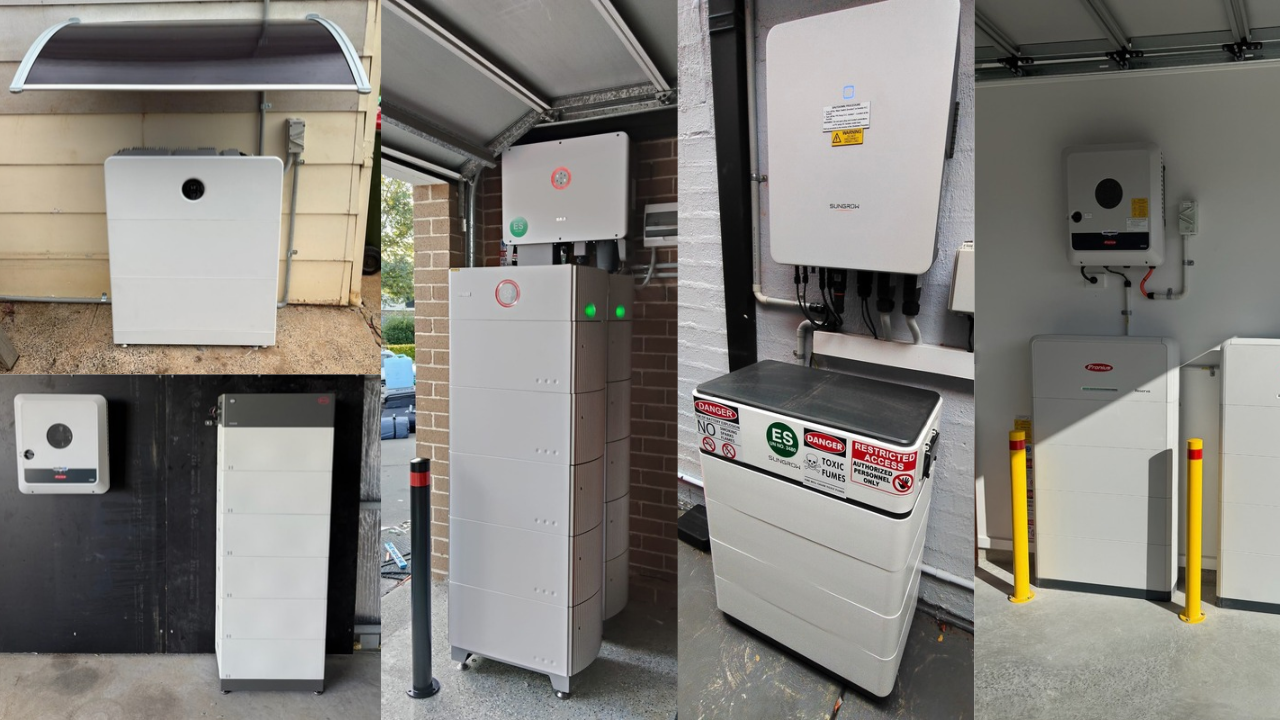
There are several battery brands and system configurations to consider. Let’s look at some of the options, including Fox ESS, Sigenergy, Tesla, GoodWe and Fronius. 

  1. Fox ESS – Flexible Battery Storage

Fox ESS offers battery storage solutions designed to work with compatible solar inverters and help households make better use of their solar generation. 

Depending on the model selected, Fox ESS systems can offer modular storage configurations, allowing the battery capacity to be matched to a household’s energy requirements. 

Potential benefits include: 

  • Modular battery options across selected product ranges. 
  • Storage capacity suited to different household energy needs. 
  • Integration with compatible Fox ESS inverter systems. 
  • Monitoring capabilities for tracking system performance. 

Who might consider Fox ESS? 

Fox ESS may be worth considering homeowners looking for a practical solar and battery package, particularly when installing a new system or assessing a compatible existing setup. 

The right configuration depends on the selected battery and inverter models, required storage capacity, and backup requirements. 

  1. Sigenergy (SIG) – Smart, Integrated Energy Storage

Sigenergy’s SigenStor system takes an integrated approach to home energy management. Its system combines several energy components, including solar inverter, battery storage, power conversion, and energy management. Selected configurations can also incorporate DC electric vehicle charging. 

Potential benefits include: 

  • An integrated approach to solar generation and battery storage. 
  • Modular, stackable battery capacity. 
  • Smart energy management features. 
  • Options for residential and larger energy applications. 
  • Potential integration with compatible EV charging equipment. 

Who might consider Sigenergy? 

Sigenergy could be a good option for homeowners planning a more connected energy setup, particularly those interested in battery storage, smart energy management, and potential future EV charging. 

It is important to check the selected configuration compatibility, backup capability and available features before installation. 

  1. Tesla Powerwall – Battery Storage for Modern Homes

Tesla Powerwall is one of the best-known home battery systems in Australia. It stores electricity generated by solar panels and makes that energy available when the home needs it. 

Tesla Powerwall 3 has a usable energy capacity of 13.5 kWh and includes an integrated solar inverter. Multiple compatible units can be used where greater storage capacity is required. 

Potential benefits include: 

  • A usable storage capacity of 13.5 kWh per Powerwall 3. 
  • Integrated solar inverter technology. 
  • Energy monitoring and control through the Tesla app. 
  • Smart energy management features. 
  • Backup power capability when installed with the required compatible equipment. 

Who might consider Tesla Powerwall? 

Tesla Powerwall may suit homeowners looking for an integrated battery solution with smart monitoring and backup functionality. 

It is particularly worth considering if you want to store solar energy for evening use and have the option of keeping selected household circuits or more of your home powered during an outage, subject to system design. 

Read more on the official Tesla Powerwall website. 

  1. GoodWe – Flexible Storage for Different Energy Needs

GoodWe offers battery storage solutions across several product ranges, including its Lynx Home series. These batteries are designed to work with compatible inverter systems and offer different storage capacities. 

For example, the GoodWe Lynx Home F G2 range offers high-voltage battery configurations from 6.4 kWh to 28.8 kWh, with expansion options depending on the system design. 

Potential benefits include: 

  • Different battery capacities for different household requirements. 
  • Modular and expandable storage options across selected ranges. 
  • Lithium iron phosphate (LFP) battery technology in the referenced Lynx ranges. 
  • Integration with compatible GoodWe inverters. 
  • Monitoring and selecting remote diagnostic features. 

Who might consider GoodWe? 

GoodWe may suit homeowners looking for a flexible battery solution that can be matched to their solar system and energy consumption. 

It can be worth exploring when installing a compatible GoodWe hybrid inverter and battery package. Existing systems must be assessed to confirm compatibility before adding storage. 

Explore the GoodWe battery range. 

  1. Fronius – Premium Solar and Battery Integration

Fronius is known for its solar inverter technology and also offers battery storage solutions. Its Reserve battery range is designed to integrate with compatible Fronius hybrid inverters. 

The Fronius Reserva range offers modular storage options, with models providing approximately 6.3 kWh to 15.8 kWh of usable energy per tower, depending on the configuration. 

Potential benefits include: 

  • Battery storage designed to integrate with compatible Fronius hybrid inverters. 
  • Modular storage options. 
  • DC-coupled energy storage for efficient energy transfer. 
  • Monitoring through the Fronius Solar. Web platform. 
  • Backup functionality when the appropriate compatible equipment is installed. 

Who might consider Fronius? 

Fronius may be worth considering homeowners who value an integrated solar and storage system and are looking to pair compatible battery technology with a Fronius hybrid inverter. 

For an existing Fronius solar system, it is essential to check the inverter model and approved battery compatibility before choosing a battery. Not every Fronius inverter supports every storage option. 

Explore the Fronius Reserva battery range. 

How Do You Choose the Right Battery Size? 

Choosing the correct battery capacity is just as important as choosing the brand. 

A battery that is too small may run out of stored energy before the night is over. A battery that is unnecessarily large may cost more than needed for your household’s typical energy consumption. 

Here are three important considerations. 

  1. Your evening electricity usage

Look at how much electricity your household uses after sunset. If you regularly run air conditioning, pool pumps, electric cooking equipment or other energy-intensive appliances in the evening, you may benefit from a larger battery or higher power output. 

  1. Your existing solar system

Your solar panels need to generate enough surplus electricity to charge your battery. Your installer should assess your solar generation patterns, daytime consumption, and seasonal variations. 

  1. Your backup power requirements

Do you simply want to reduce your electricity bills, or do you also want backup power during outages? 

Not every battery installation automatically provides backup power. The appropriate inverter, backup equipment, electrical configuration, and load selection must be considered. 

Can You Add a Battery to an Existing Solar System? 

Yes, in many cases. 

If you already have solar panels installed, adding a battery may allow you to store excess electricity instead of exporting all of it to the grid. 

However, the process depends on your existing inverter, system configuration, and the battery you want to install. Some systems may require an inverter upgrade or additional equipment, while others may support a suitable battery without replacing the entire solar system. 

An assessment of your current installation can help determine the most practical and cost-effective approach. 

Are Battery Rebates Available in Australia? 

Eligible Australian households and small businesses may be able to access financial support through the Australian Government’s Cheaper Home Batteries Program, subject to current program requirements. 

Eligibility can depend on factors such as the battery’s approved status, usable capacity, installation arrangements, and commissioning requirements. The value of any applicable discount can also change over time. 

Before proceeding, confirm the latest requirements and available incentives for your chosen battery. 

For current information, visit the Australian Government’s Department of Climate Change, Energy, the Environment and Water. 

Why Choose SCE Energy Solutions? 

Choosing a battery is not just about the equipment. It is about ensuring that your complete solar and storage system is designed around your property and energy requirements. 

At SCE Energy Solutions, our approach focuses on helping customers understand their options and identify a solution suited to their needs. 

We can help assess your current solar system, discuss battery storage options, consider your energy usage, and determine the equipment required for your installation. 

Whether you are considering Fox ESS, Sigenergy, Tesla, GoodWe or Fronius, the goal is the same: to help you make an informed decision about your energy future. 

Ready to Explore Your Battery Options? 

Every home use energy differently, so there is no single battery that is right for everyone. 

The best starting point is to understand your electricity consumption, existing solar setup, and what you want your battery to achieve. 

Contact SCE Energy Solutions today to discuss your solar battery options and find out which solution may be right for your home. 

Battery features, specifications, compatibility, pricing, warranties and incentives vary by model and may change. All installations are subject to technical assessment, product availability and applicable Australian requirements. 

Are you looking for Solar and Battery for your home? These Solar Rebates 2026 can be helpful.

  1. What are STCs?

Small-scale Technology Certificates (STCs) are part of the Australian Government’s Small-scale Renewable Energy Scheme. They help reduce the upfront cost of eligible solar installations. 

When you install an eligible solar system, your installer or an authorised certificate agent can generally claim the STCs on your behalf. The financial value is usually passed on as an upfront discount on your quote. The number of certificates depends on factors such as system size, location and installation date. 

Read more: Clean Energy Regulator — Small-scale Technology Certificates. 

  1. Solar rebates and incentives comparison table

Here is a quick comparison of the main programs to investigate as of October 2026. 

Rebate or incentive 

Who is it for? 

What can you receive? 

Official information 

Federal solar STCs 

Eligible residential and commercial solar systems up to 100 kW 

An upfront discount based on the number and market value of eligible certificates 

Check solar STCs 

Mid-scale solar STCs — new from 1 October 2026 

Eligible solar systems above 100 kW and up to 1 MW 

Access to STCs under the expanded scheme, subject to eligibility 

Read the October 2026 changes 

Cheaper Home Batteries Program 

Eligible households and businesses installing qualifying batteries 

An upfront discount through the federal battery certificate scheme 

Check battery program details 

NSW Batteries for Businesses Incentive 

Eligible NSW businesses 

An upfront battery installation discount, potentially higher when combined with new or additional solar 

Check business eligibility 

NSW Batteries for Apartment Buildings Incentive 

Eligible apartment buildings and strata communities 

An upfront discount for shared battery storage, potentially higher with new or additional solar 

Check apartment incentives 

NSW Virtual Power Plant (VPP) Incentive 

Eligible NSW households and small businesses with qualifying batteries 

An incentive for connecting an eligible battery to a participating VPP, plus possible ongoing payments 

Check VPP eligibility 

Please note: These programs have different eligibility rules. Not every customer will qualify, and some incentives apply to battery storage rather than solar panels alone. 

  1. What’s new with solar STCs from October 2026?

The key change is the expansion of the federal STC scheme to eligible solar systems between 100 kW and 1 MW. 

Previously, solar systems above 100 kW generally could not access STCs under the existing small-scale scheme. The expansion opens up a new option for eligible medium-sized commercial solar projects. 

This may be particularly relevant to: 

  • Warehouses and distribution centres 
  • Farms and agricultural facilities 
  • Manufacturing businesses 
  • Commercial buildings and other large electricity users 

The new eligibility applies to qualifying systems installed from 1 October 2026. However, the Clean Energy Regulator expects STC applications for these systems to open in mid-to-late November 2026. 

Eligible projects can also involve a choice between STCs and Renewable Electricity Guarantee of Origin (REGO) certificates, so businesses should compare the available options before deciding. 

Full details: Clean Energy Regulator — Mid-scale solar. 

  1. What about the federal battery rebate?

The Australian Government’s Cheaper Home Batteries Program helps eligible customers reduce the cost of installing qualifying battery storage. 

The discount is generally applied upfront through your installer. The actual amount depends on the battery’s eligible capacity, applicable certificate factors and market values. 

Battery incentives are separate from the standard solar STC discount, so your quote should show which discounts apply to the panels and which apply to the battery. 

For the latest eligibility requirements, visit the official Cheaper Home Batteries Program page. 

  1. NSW battery incentives for businesses and apartments

NSW has also introduced battery installation incentives that may help eligible businesses and apartment buildings manage their electricity costs. 

For businesses: The Batteries for Businesses Incentive became available from 1 September 2026. Eligible projects may receive an upfront discount, with the potential for a larger discount when a battery is installed with new or additional solar capacity. 

For apartment buildings: The Batteries for Apartment Buildings Incentive also became available from 1 September 2026. Eligible buildings may receive an upfront discount towards a shared battery, with a potentially higher discount when new or additional solar is installed. 

The exact benefit depends on project eligibility, system design and the applicable program rules. 

Read the official requirements: 

  1. Can solar and battery incentives be combined?

In some cases, yes. Eligible customers may be able to access more than one incentive, provided they meet the conditions of each program. 

For example, an eligible NSW business could investigate federal solar STCs alongside the NSW business battery incentive and the federal battery program. 

However, eligibility is not automatic. Always ask your installer to confirm which incentives can be combined and to itemise the discounts in your quote. 

  1. How do you know which rebate applies to you?

Before choosing a solar or battery system, consider your property type, electricity consumption, system size and future energy requirements. 

For the most accurate assessment contact us today for a free assessment. 

Disclaimer: This article is general information, not financial or legal advice. Government programs, certificate values and eligibility requirements can change. Confirm current conditions with the relevant government authority and your installer before making a decision. 

Ready to explore solar for your home or business?

Why Australian Homeowners Should Consider Installing Solar

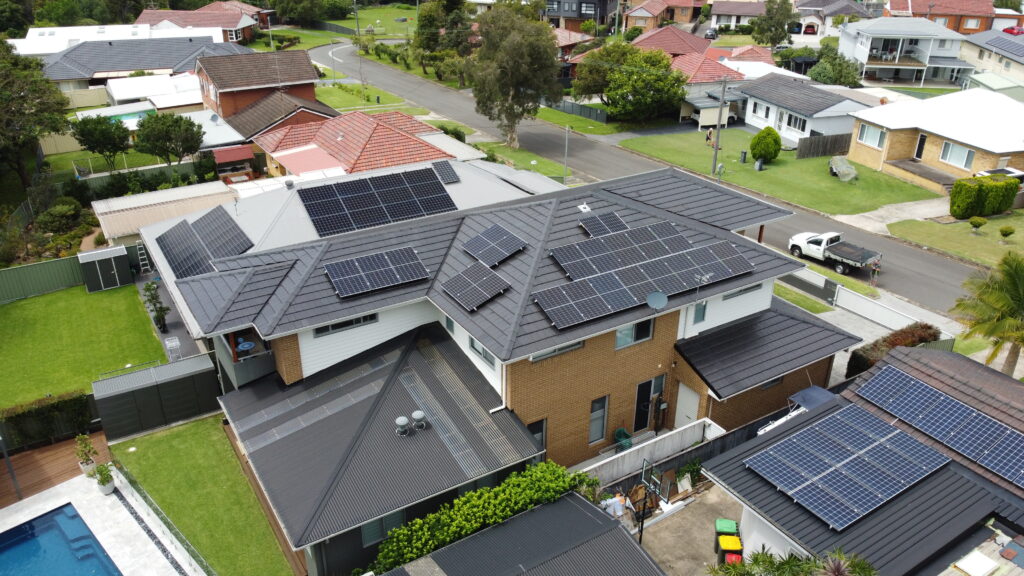
Sydney home Solar

Australia is one of the sunniest countries in the world, yet many homeowners are still paying significant amounts for electricity from the grid.

With electricity costs continuing to put pressure on household budgets, more Australian homeowners are looking at solar power as a way to take control of their energy use and potentially reduce their electricity bills.

But solar isn’t just about putting panels on your roof. It’s about generating your own electricity, using more of the energy you produce and becoming less dependent on the grid.

Here are some of the key reasons homeowners are considering solar.

1. Australia Has Plenty of Sunshine

It sounds obvious, but it’s one of the biggest advantages Australia has when it comes to solar energy. From Sydney and Brisbane to Melbourne and Perth, Australian homes receive plenty of sunlight throughout the year. Solar panels convert this sunlight into electricity that can be used to power your home. Instead of simply paying for electricity every time you turn on your air conditioner, washing machine or TV, solar gives your home the ability to generate some of that electricity itself.

2. Reduce Your Reliance on the Electricity Grid

Traditional electricity systems mean your home relies heavily on electricity purchased from the grid.

Solar can change that.

During daylight hours, your solar panels generate electricity that can be used directly in your home. Depending on your system and energy usage, any excess electricity may be exported to the grid or stored in a battery for later use.The more of your own solar energy you can use, the less electricity you may need to purchase from the grid.

3. Potentially Lower Your Electricity Bills

One of the biggest reasons homeowners install solar is to reduce their electricity costs.

Your savings will depend on factors such as:

  • The size and quality of your solar system
  • Your home’s electricity consumption
  • How much solar energy you use during the day
  • Your electricity retailer and tariff
  • Whether you have a battery
  • Your property’s location and available sunlight

A properly designed system can help you generate a significant amount of the electricity your household uses, potentially reducing your ongoing energy bills.

Solar isn’t a one-size-fits-all solution. The right system should be designed around how your household actually uses energy.

4. Solar and Batteries Can Work Together

Solar panels generate electricity during the day, but what happens when the sun goes down?

This is where batteries can make a big difference. Instead of sending all your excess solar electricity back to the grid during the day, a battery can store some of that energy for later use.

For example:

During the day:
☀️ Solar panels generate electricity → 🏠 Your home uses it → 🔋 Excess energy can be stored

At night:
🔋 Stored energy → 🏠 Powers your home

This can help households make better use of the solar energy they generate and reduce their reliance on grid electricity when solar panels aren’t producing.

5. Solar Can Help Protect Your Household From Rising Energy Costs

Nobody can predict exactly where electricity prices will go over the next 10 or 20 years. What homeowners can do is take greater control over where some of their electricity comes from. Generating your own electricity means you’re not relying entirely on the grid for your household’s energy needs.

For many homeowners, this can provide greater confidence and predictability when it comes to managing household energy costs.

6. Solar Can Increase Your Energy Independence

Energy independence doesn’t necessarily mean completely disconnecting from the grid.

Instead, it can mean generating more of your own electricity and relying less on electricity purchased from the grid. With the right combination of solar, battery storage and energy-efficient appliances, homeowners can potentially generate, store and use a much greater portion of their own energy.

7. Solar Is an Investment in Your Home

A solar system isn’t simply another household appliance. It’s an investment in your home’s energy infrastructure.

A quality solar system can continue generating electricity for many years, helping your household make use of Australia’s abundant sunshine. The key is choosing a system that is properly designed, professionally installed and suited to your property’s energy requirements.

Cheaper isn’t always better when it comes to solar. Panel quality, inverter technology, installation standards, monitoring and ongoing support can all make a difference.

8. Government Incentives Can Make Solar More Accessible

Australian and state governments have introduced various incentives and programs over the years to encourage households to adopt renewable energy and battery storage. These programs can change over time, so homeowners should check the current eligibility requirements and available incentives before making a decision.

The important thing is to look at the overall cost and potential long-term savings, rather than choosing a system based solely on the advertised rebate or discount.

9. Solar Can Be a Smart Choice for Australian Lifestyles

Australian households use a lot of energy.

Air conditioning, pool pumps, hot water systems, electric vehicles, appliances and home entertainment can all contribute to household electricity consumption. Solar can help offset some of this usage by generating electricity right where it is being consumed at your home. And as more households move towards electric vehicles, heat pumps and other electric technologies, having a reliable source of renewable electricity at home can become even more valuable.

So, Is Solar Right for Your Home?

Solar can be a great option for many Australian homeowners, but the right system depends on your individual circumstances. Your roof, energy consumption, household size, electricity tariff, budget and future energy plans should all be considered before installing a system.

At SCE Energy Solutions, we believe solar should be designed around the customer not simply around selling a particular number of panels.

From system design and installation through to monitoring and ongoing support, the goal is to help homeowners get the most out of their solar investment.

Thinking About Solar for Your Home?

18+ Years of Solar in Australia: Experience, Quality & Service You Can Trust 

When it comes to solar, experience matters. 

For more than 18 years, SCE Energy Solutions has been delivering solar solutions across Australia, helping homes and businesses take control of their energy, reduce electricity costs and make better use of renewable energy. 

From solar for homes to large-scale solar for business, our approach has always been the same: focus on quality, do the job properly and look after our customers long after installation. 

18+ Years in the Solar Industry 

The solar industry has changed significantly over the past 18 years. 

Technology has evolved, electricity prices have changed and battery storage has become an increasingly important part of Australia’s energy landscape. Through all these changes, SCE has continued to focus on what matters most designing and installing systems that are reliable, efficient and built around each customer’s energy requirements. 

Our experience across hundreds of projects has given us a practical understanding of what makes a solar system work well from the initial design through to installation, monitoring and ongoing support. 

Solar in Australia: Experience That Goes Beyond Installation 

Installing solar isn’t simply about putting panels on a roof. 

A good solar system starts with the right design. At SCE, we consider factors such as your energy consumption, roof layout, solar generation, equipment selection, and future energy requirements before recommending a solution. Whether you’re looking for solar in Sydney, a residential system elsewhere in Australia or a larger commercial installation, our goal is to create a system that works for your individual needs. 

Solar for Home 

For homeowners, solar can be an important investment in reducing reliance on grid electricity. 

Every home use energy differently, which is why we don’t believe in a one-size-fits-all approach. We design solar for homes around how you use electricity, helping you make greater use of the energy your system generates. For homeowners looking at adding battery storage, we can also help you understand how solar and batteries can work together to store excess energy for later use. 

Solar for Business 

For businesses, electricity is often one of the largest ongoing operating costs. 

That’s where solar for business can make a significant difference. 

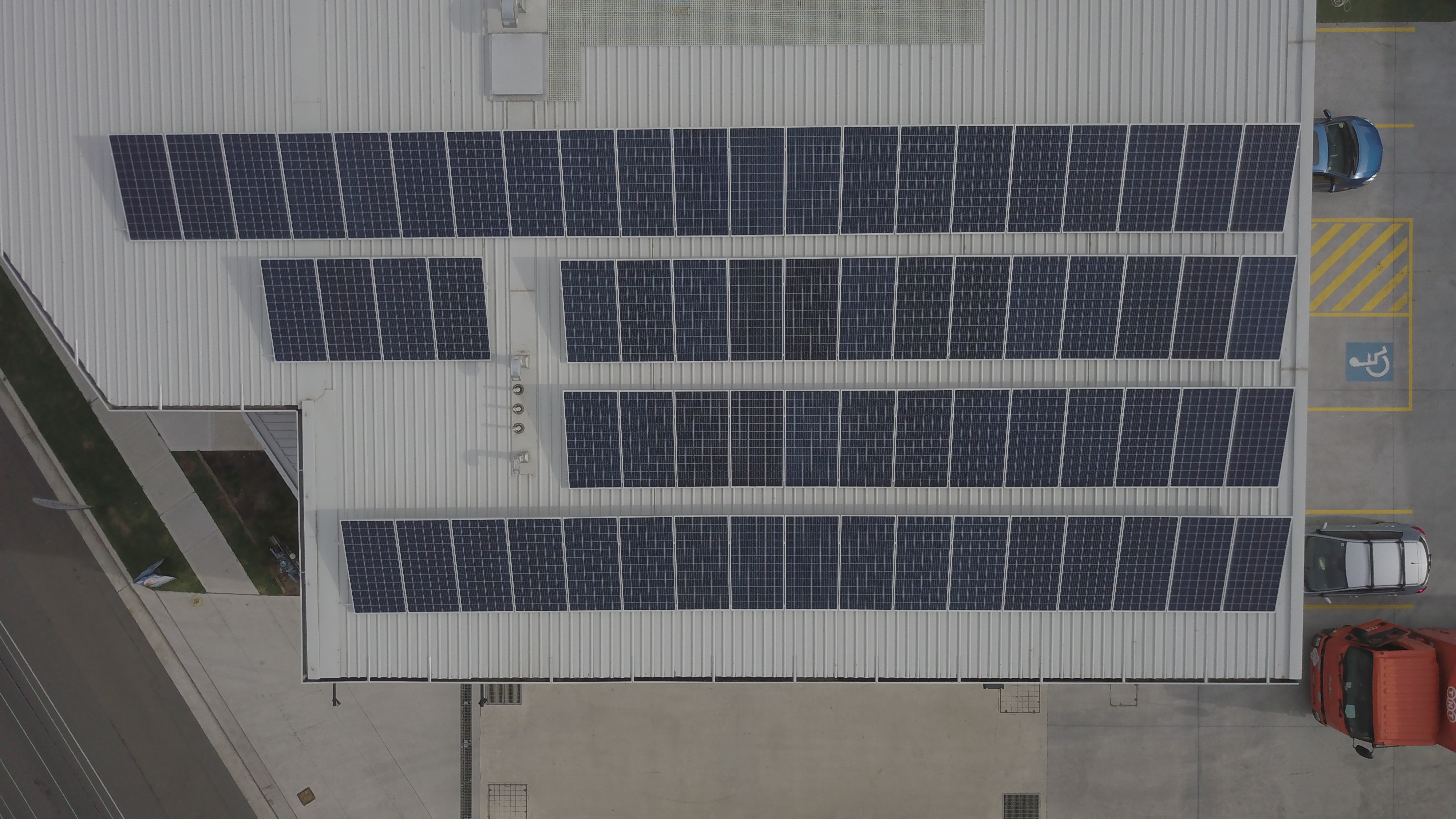
From offices and warehouses to manufacturing facilities, agricultural businesses and large commercial properties, SCE has experience delivering solar solutions designed around commercial energy requirements. A properly designed commercial solar system can help businesses generate their own electricity, reduce grid consumption, and potentially improve long-term energy costs. 

We don’t just look at how many panels can fit on a roof. We look at how the system can work with your business’s energy usage. 

Quality From Design to Installation 

At SCE, we believe the quality of a solar system depends on more than the equipment used. 

Design and installation quality matters. 

Our projects are managed with attention to detail throughout the process, from system design and engineering through to installation and commissioning. We work with quality components and prove solar technology, while our experienced team focuses on getting the installation right the first time. Because a solar system should not only perform well, it should also be installed properly and look at the part. 

Customer Service Doesn’t Stop at Installation 

For us, completing the installation isn’t the end of the relationship. 

We believe in looking after our customers throughout the life of their solar system. 

Our monitoring and support approach allows us to keep an eye on system performance and identify potential issues. With our Smart Solar monitoring capabilities, systems can be monitored at an individual panel level, helping us identify underperforming equipment and potential faults. 

That means we’re not simply installing a system and walking away. We’re focused on helping our customers get the most from their investment. 

Solar Experience You Can Rely On 

After more than 18 years in the industry, we’ve seen solar technology change from a relatively new concept into an important part of Australia’s energy future. 

We’ve installed solar systems for homes, businesses and large commercial projects across Australia, and every project has added to our experience. 

Our philosophy remains simple: 

Quality solar. Quality installation. Quality service. 

Whether you’re looking for solar in Sydney, solar for your home or solar for your business, SCE Energy Solutions can help you understand your options and design an energy solution around your needs. 

Get in touch with SCE Energy Solutions today. 

With more than 18 years of industry experience, SCE Energy Solutions continues to deliver solar and renewable energy solutions for homes and businesses across Australia.