With rising living costs, electricity expenses and financial uncertainty putting pressure on Australians, could solar power be one of the smartest long-term energy decisions for homes and businesses?
Economic uncertainty changes the way we think about spending. Households are looking for ways to manage their bills, while businesses are reviewing operating costs, improving efficiency, and looking for opportunities to protect their bottom line.
One expense that often gets overlooked is electricity.
Whether you’re running a family home, a manufacturing facility, a warehouse, or a commercial kitchen, energy is essential to everyday operations. Unfortunately, it can also represent a significant and ongoing cost.
This is where solar power comes into the picture.
While installing solar panels requires an upfront investment, generating your own electricity can help reduce reliance on the grid, improve long-term cost management, and lower your environmental footprint. In a challenging economic climate, solar is worth considering not simply as a sustainability initiative, but as a practical investment in your energy future.
- Take Control of Your Electricity Costs
Electricity is an ongoing expense. Every month, households and businesses pay for the energy they consume, often with limited control over changes in retail prices.
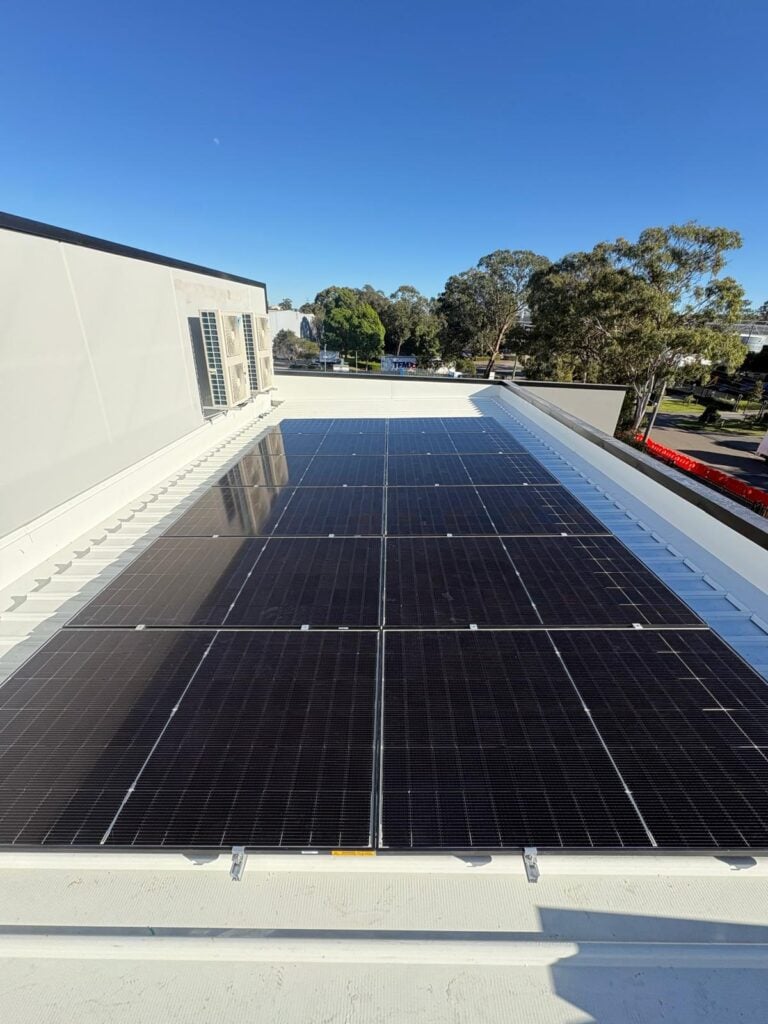
Solar panels offer an alternative by allowing you to generate electricity directly from sunlight.
Instead of purchasing all your electricity from an energy retailer, you can use the power your solar system produces to run appliances, equipment, lighting, air conditioning, and other essential loads.
The more solar electricity you use directly, the less electricity you may need to purchase from the grid.
According to the Australian Bureau of Statistics, retail electricity prices reached an average of $0.29 per kilowatt-hour in 2024–25, while rooftop solar installation costs per unit of capacity fell by 75% between 2010–11 and 2024–25.
These figures demonstrate why generating your own electricity has become an increasingly attractive option for Australian households.
Of course, actual savings depend on your electricity tariff, system size, energy consumption, and the times you use power. However, with the right system design, solar can help turn a recurring expense into a more manageable long-term investment.
- Why Solar Makes Financial Sense for Businesses
For commercial and industrial businesses, electricity is more than just another bill. It is a cost directly connected to daily operations and profitability.
Warehouses, factories, food processing facilities, manufacturing plants, clubs, and other energy-intensive businesses often rely on electricity throughout the working day.
Higher energy costs can put pressure on margins, particularly when businesses are already managing wages, materials, transport, and other operating expenses.
Commercial solar can help address this challenge.
A well-designed commercial solar system can help businesses:
- Reduce electricity purchased from the grid.
- Improve control over significant operating expenses.
- Reduce exposure to future electricity price increases.
- Improve energy efficiency and support long-term business planning.
- Strengthen sustainability credentials for customers, partners, and stakeholders.
For businesses with substantial daytime electricity consumption, solar may offer an opportunity to improve operating efficiency while supporting broader sustainability goals.
The key is to design a system around how your business actually uses energy. Reviewing electricity bills, interval data, operating hours, and peak demand can help determine the most appropriate system size and potential financial return.
- Solar Is an Investment, Not Just an Expense
During an economic downturn or period of financial uncertainty, large purchases naturally receive greater scrutiny. Solar should be no exception.
Several factors influence the return:
- Installation cost: The size, equipment, and complexity of the system.
- Electricity consumption: How much power do you use and when you use it.
- Self-consumption: How much of the solar electricity you use directly.
- Electricity tariffs: The rates you pay for grid electricity and any applicable export credits.
- System performance: The amount of electricity your installation generates over time.
- Available incentives: Eligible government incentives that may reduce the upfront cost.
- Solar and Batteries: Making Your Energy Work Harder
Solar panels generate electricity during the day, but energy consumption does not stop when the sun goes down.
This is where battery storage may help.
A battery stores surplus solar electricity for use later, such as during the evening, overnight or periods when electricity from the grid is more expensive. It can increase the amount of solar energy you use yourself rather than exporting it for a relatively small credit.
- The Environmental Benefits Still Matter
While financial savings are an important consideration, the environmental benefits of solar remain significant.
Traditional electricity generation can involve the burning of fossil fuels, which releases greenhouse gases into the atmosphere. Solar panels generate electricity from sunlight without producing direct greenhouse gas emissions during operation.
- Greater Energy Independence in an Uncertain Market
Economic uncertainty highlights the importance of having greater control over essential expenses.
Although solar does not eliminate every electricity cost, it allows households and businesses to generate a portion of their own energy rather than relying entirely on their retailer.
This can provide a degree of protection against changing electricity prices and make energy expenditure more predictable over time.
When combined with a battery, a solar system can provide greater flexibility in how and when generated electricity is used.
It is important to remember that a standard grid-connected solar system generally does not provide electricity during a grid outage unless it has suitable backup functionality. Energy independence also varies with system size, weather, electricity consumption, and storage capacity.
Nevertheless, generating and managing your own electricity can be a valuable step towards a more resilient energy strategy.
- Is Now the Right Time to Install Solar?
There is no single answer for every household or business.
The right time to install solar depends on your financial position, current electricity costs, energy consumption, and the suitability of your property. For some, installing solar now may offer meaningful savings over the coming years. For others, reviewing energy usage, exploring financing options, or planning an installation for a later date may be more appropriate.
Before making a decision, consider:
- Review your recent electricity bills to understand your consumption.
- Assessing how much electricity you use during daylight hours.
- Comparing the cost of installation with realistic projected savings.
- Investigating applicable rebates, incentives, and financing options.
- Choose a reputable installer who can design a system for your needs.
Eligible Australian households and businesses may be able to access incentives that reduce the cost of certain renewable energy installations. Eligibility, scheme rules and the value of any benefit can vary, so it is important to confirm current requirements before proceeding.
The goal is not simply to install the largest system possible. It is to invest in a solution that makes financial and practical sense for your circumstances.
The Bottom Line: Solar Is About More Than Saving Money
In an economic climate where households and businesses are looking for ways to reduce costs and plan, solar power offers a practical opportunity to rethink how electricity is generated and consumed.
From reducing electricity bills and improving operating efficiency to lowering emissions and supporting long-term energy resilience, the benefits extend beyond the initial installation.
Solar will not solve every economic challenge, and every installation should be assessed on its individual merits. But for properties with suitable conditions and the right energy usage patterns, it can be a worthwhile long-term investment.
Looking to take control of your energy costs?
Contact SCE Energy Solutions to discuss your solar requirements.


