Solar Rebates in NSW Are Changing
Government incentives are changing, solar rebates are reducing, and energy costs remain a major concern for Australian households and businesses. If you have been considering installing solar panels or upgrading your existing solar system, understanding the changes coming in 2027 could help you make a smarter investment.
Solar energy continues to be one of the most effective ways for Australian homeowners and businesses to take greater control of their electricity expenses. However, with changes to government incentives, particularly the Small-scale Technology Certificate (STC) scheme, the financial benefits of installing solar are evolving.
At SCE Energy Solutions, we believe it is important to understand not only the benefits of solar but also the incentives available today and the changes that could affect your installation costs in the future.
Let’s look at what’s changing in NSW and Australia.
- Solar Rebates Are Reducing from 1 January 2027
One of the most important changes for anyone considering solar is the gradual reduction of the Small-scale Renewable Energy Scheme (SRES).
Under this Federal Government scheme, eligible solar installations receive Small-scale Technology Certificates (STCs). These certificates have a financial value and are generally used by installers to provide an upfront discount on the cost of a solar system.
The number of STCs you receive depends on several factors, including your system size, location, and installation date.
What’s changing?
The STC deeming period reduces by one year annually as the scheme approaches its scheduled end in 2030.
Here is how the deeming period changes:
Installation year | STC deeming period |
2025 | 6 years |
2026 | 5 years |
2027 | 4 years |
2028 | 3 years |
2029 | 2 years |
2030 | 1 year |
From 1 January 2027, eligible solar installations will receive fewer STCs compared with installations in 2026, assuming the same system size and other eligibility factors.
What does this mean to you?
It means the upfront solar discount will generally be lower for systems installed in 2027 than for comparable systems installed in 2026.
If you are planning to install solar, getting your system assessed and installed before the end of 2026 may allow you to access a higher STC entitlement.
Importantly, the STC scheme is not disappearing in January 2027. It is progressively reducing until its scheduled conclusion in 2030.
- NSW Government Solar Incentives and Financial Support
Alongside Federal Government incentives, NSW residents have access to several state-based programs that can make investing in solar more affordable.
Here are some of the key program’s worth knowing about.
Home Energy Saver – Up to $15,000 Interest-Free Loans
The NSW Government’s Home Energy Saver program provides eligible homeowners and landlords with interest-free loans of up to $15,000.
The funding can help cover eligible upgrades, including:
- Rooftop solar installations.
- Home battery systems.
- Energy-efficient appliances.
- Heat pump hot water systems.
- Other eligible home energy upgrades.
There has also been an eligibility change. From 10 November 2026, the combined annual taxable household income threshold was reduced from $210,000 to $150,000.
This means households considering solar or battery installations should check their eligibility before applying.
- Battery Rebates Have Also Changed in 2026
Solar panels are only part of the renewable energy equation. Battery storage is becoming increasingly important for households and businesses looking to maximize their solar investment.
The Federal Government’s Cheaper Home Batteries Program provides an upfront discount of approximately 30% on eligible battery installations.
However, changes introduced on 1 May 2026 have adjusted how battery incentives are calculated.
The battery STC factor is now scheduled to reduce every six months rather than annually.
For example:
Period | Battery STC factor |
May–December 2026 | 6.8 |
January–June 2027 | 5.7 |
July–December 2027 | 5.2 |
January–June 2028 | 4.6 |
The discount is also calculated depending on the battery capacity.
This means the financial incentive available for battery installations will gradually reduce over time.
For homeowners and businesses considering solar and battery storage, it is worth reviewing the available incentives and understanding how they affect the total installation cost.
- NSW Businesses Can Access New Commercial Battery Incentives
For businesses, energy costs can significantly affect operating expenses, particularly in industries with high electricity consumption.
The NSW Government has introduced additional battery incentives for eligible commercial and industrial customers.
From 1 September 2026, eligible businesses can access upfront discounts of approximately 20%–40% on battery installation costs through accredited suppliers.
Examples highlighted by the NSW Government include:
- Around $37,000 in potential upfront savings for a small grocery business.
- Around $355,000 in potential upfront savings for a medium-sized business, such as a dairy farm.
These incentives can be particularly valuable for businesses looking to reduce peak electricity demand, store excess solar generation, and improve their energy management.
Eligible businesses may also be able to combine these incentives with the Federal Government’s support for commercial rooftop solar.
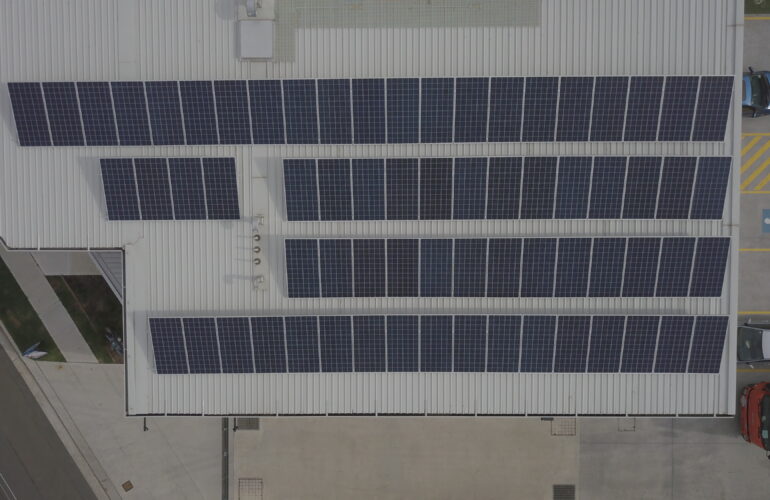
For businesses with significant electricity consumption, combining commercial solar panels with battery storage can create opportunities for substantial long-term savings.
- Why Installing Solar in 2026 Could Be a Smart Decision
With changes to STCs and other government incentives, timing is becoming an important consideration.
Here are some reasons to consider solar sooner rather than later:
- Access higher STC entitlements
The solar STC deeming period is higher in 2026 than it will be in 2027. Installing an eligible system in 2026 can therefore provide a higher upfront certificate of entitlement.
- Reduce your electricity expenses
Solar allows you to generate your own electricity and reduce the amount of power you need to purchase from the grid.
- Make better use of battery incentives
Eligible battery installations can benefit from Federal Government support, helping reduce the upfront investment.
- Improve long-term energy security
Generating and storing your own electricity can reduce your exposure to changing electricity prices and provide greater control over your energy usage.
- Start generating savings sooner
The earlier your solar system is installed and operational, the sooner you can start using the electricity it generates.
Of course, the right time to install solar depends on your electricity consumption, system requirements, available roof space, installation costs, and financial circumstances.
Thinking About Solar? Don’t Wait Until 2027 to Explore Your Options.
With the solar STC deeming period reducing from 1 January 2027, 2026, is an important time to review your solar options.
Whether you are a homeowner looking to reduce household electricity bills or a business wanting to reduce operating expenses, SCE Energy Solutions can help you understand the available incentives and find the right solar solution.
Get in touch with SCE Energy Solutions today for a solar assessment and discover how much you could save with solar.
Contact SCE Energy Solutions to get started.