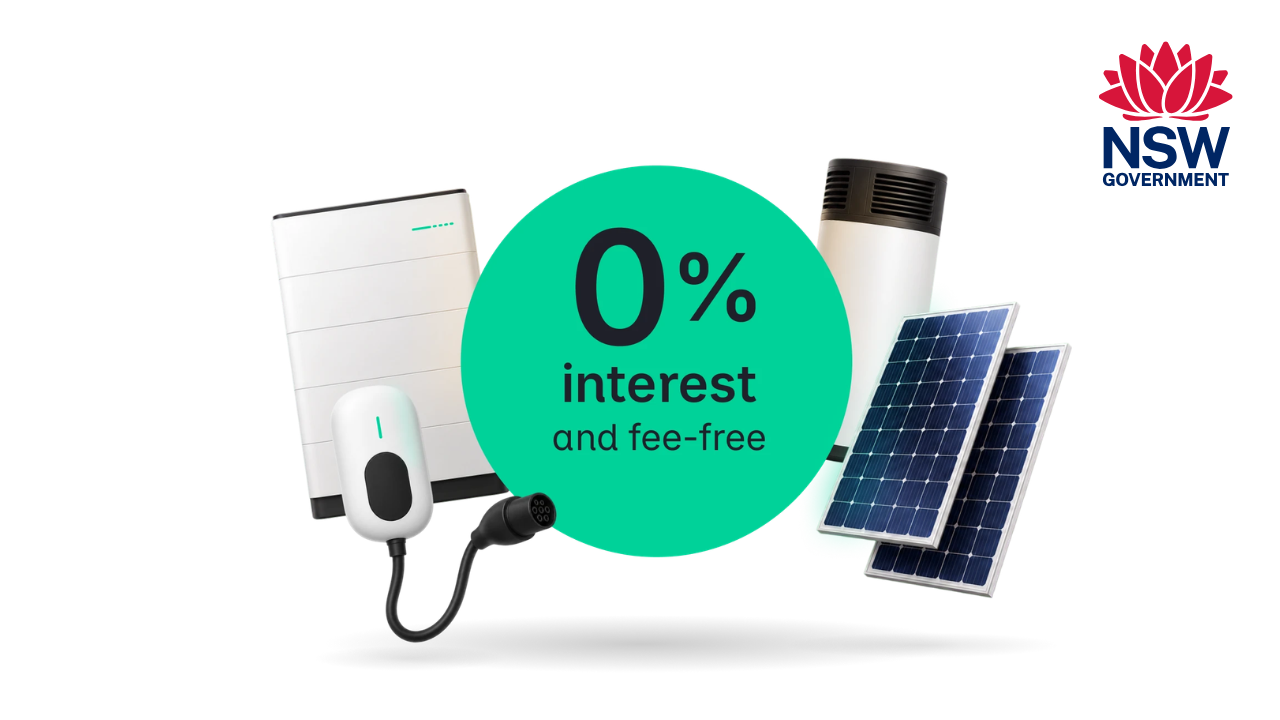
NSW $15,000 Interest-Free Energy Loan: What You Need to Know in 2026

Thinking about installing solar or home battery but concerned about the upfront cost? 

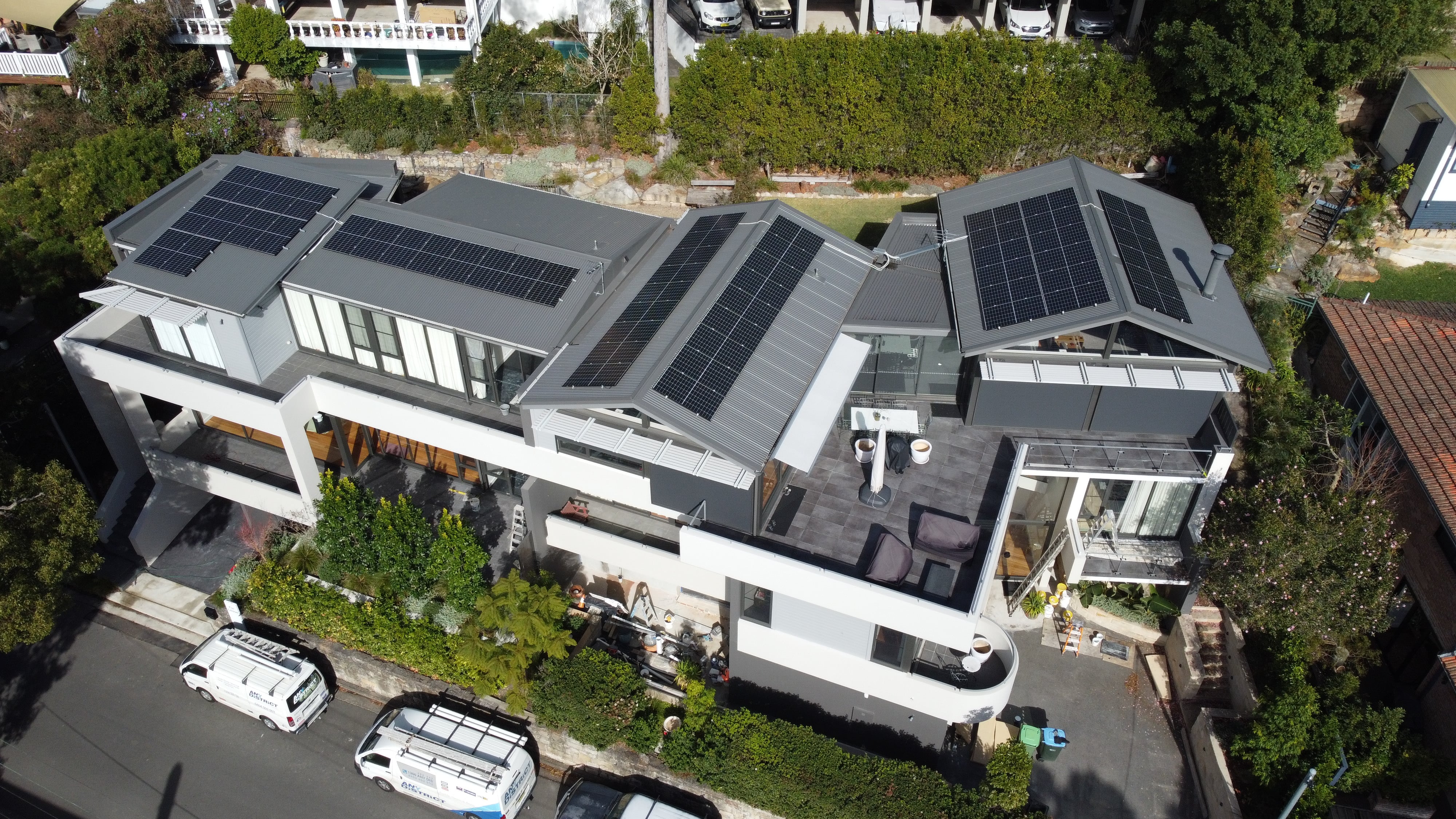
The New South Wales Government has introduced the Home Energy Saver program, providing eligible NSW households with access to a zero-interest loan of up to $15,000 for energy-saving upgrades. The program is designed to make upgrades such as solar panels and home batteries more affordable while helping households reduce their energy bills. 

What Is the NSW $15,000 Interest Free Loan? 

The NSW Home Energy Saver loan allows eligible households to borrow up to $15,000 at zero interest to pay for approved energy-saving upgrades. The loan can be repaid over a period of up to 10 years, helping spread the cost of your upgrade instead of paying the full amount upfront. 

Eligible upgrades include: 

  • Rooftop solar systems 
  • Home batteries 
  • Switchboard upgrades 
  • Heat pump water heaters 
  • Reverse-cycle air conditioning 
  • Insulation and other approved energy-saving upgrades 

Who Can Apply? 

To be eligible for the NSW Home Energy Saver loan, you generally need to: 

  • Live in NSW 
  • Be an Australian citizen or permanent resident 
  • Have a combined taxable household income of up to $210,000 per year 
  • Be installing an eligible energy-saving upgrade 

Homeowners and landlords may be eligible, subject to the program requirements. 

Can You Use the Loan for Solar or Batteries? 

Yes. 

The NSW Government specifically lists both rooftop solar and residential batteries as eligible upgrades under the Home Energy Saver loan program. For example, if you are looking to install a $12,000 solar and battery system, you could potentially use the interest-free loan to spread the cost over time rather than paying the full amount upfront. 

Can You Get Other Rebates as Well? 

Potentially, yes. 

The NSW Home Energy Saver program also includes discounts of up to $4,000 for eligible lower-income households and concession card holders, with discount applications opening later in 2026. For battery installations, eligible households may also be able to benefit from the Federal Government’s Cheaper Home Batteries Program, subject to the program’s eligibility requirements. This means it’s important to look at all available incentives before deciding on your solar or battery system. 

Why Consider Solar and Battery Now? 

With the cost of energy-saving upgrades being one of the biggest barriers for households, the $15,000 interest-free NSW energy loan can make it easier to invest in solar and battery technology without a large upfront payment. 

A properly designed solar and battery system can help you: 

  • Generate your own electricity 
  • Store excess solar energy 
  • Reduce your reliance on the grid 
  • Potentially lower your electricity bills 
  • Improve your home’s energy efficiency 

Ready to Explore Your Options? 

At SCE Energy Solutions, we can help you understand your solar and battery options and how current government incentives may apply to your project. 

Contact SCE Energy Solutions today to find out whether you could benefit from the NSW Home Energy Saver program. 

Eligibility, loan conditions and government incentives can change. Always confirm your eligibility and the current program requirements before making a purchase. 
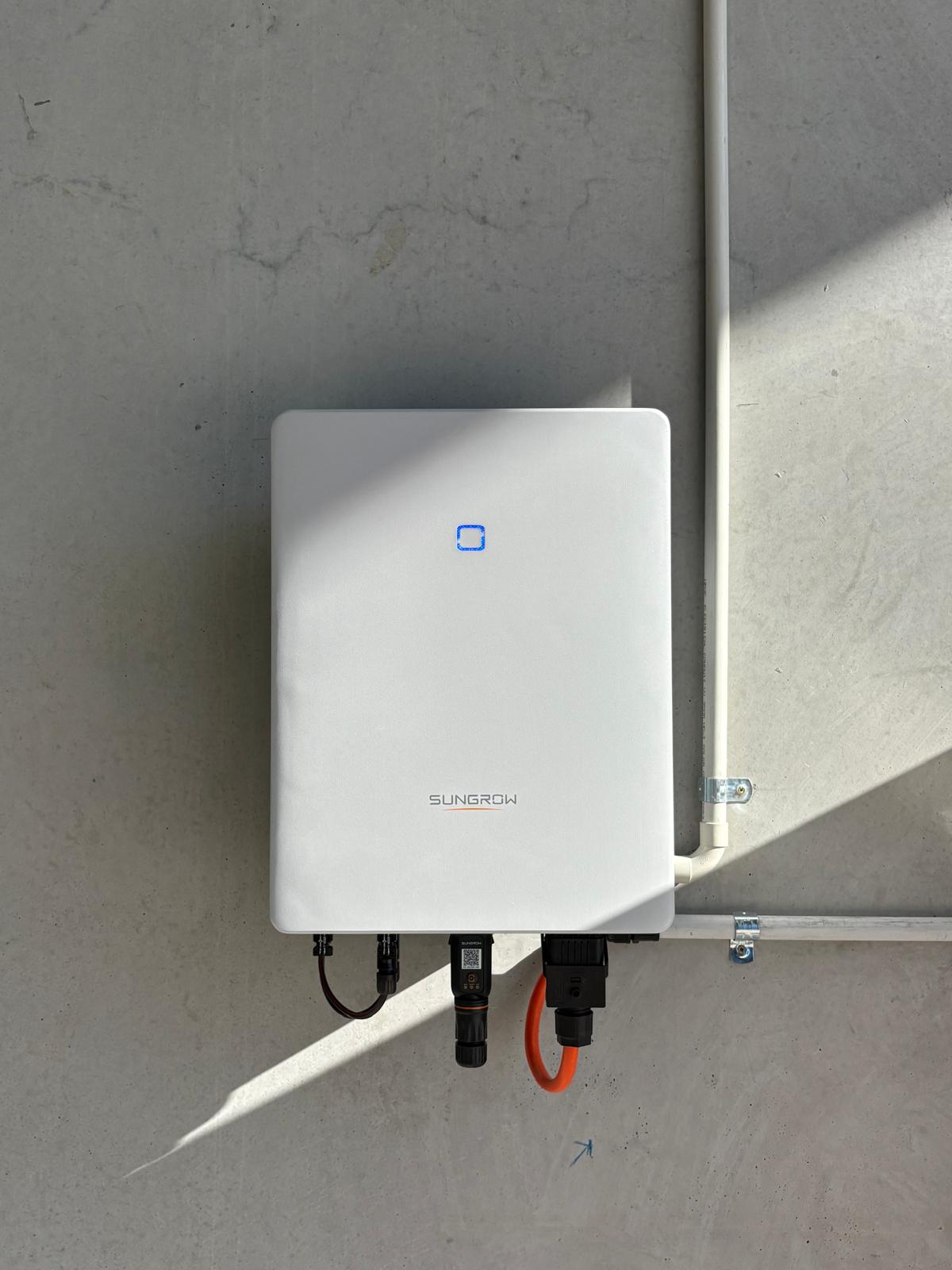
If  you’re  considering  installing  a  home battery in New South Wales, you may be wondering what NSW battery rebates and incentives are available in 2026. The NSW battery incentive landscape has changed, with the previous NSW battery installation discount no longer available. Instead, eligible households can benefit from the NSW Virtual Power Plant (VPP) Incentive, which can work alongside the Federal Government’s Cheaper Home Batteries Program. 

Is There a NSW Battery Rebate in 2026? 

The previous NSW Government battery installation rebate has ended.  NSW has now shifted its focus towards encouraging households to connect their batteries to Virtual Power Plants (VPPs). A VPP connects multiple home batteries, allowing stored energy to be managed and supplied to the electricity grid when demand is high. 

What Is the NSW VPP Incentive? 

The NSW VPP Incentive is designed to encourage households with eligible batteries to join participating VPP programs. Depending on the VPP provider, customers may receive an upfront incentive, ongoing payments or bill credits for allowing their battery to participate in the VPP. The amount you can receive depends on factors such as your battery size, VPP provider, and the terms of your agreement. 

Can You Combine NSW and Federal Battery Incentives? 

Yes. 

This is one of the biggest benefits for NSW homeowners considering a battery. The Federal Government’s Cheaper Home Batteries Program provides a ~30% discount on eligible home battery systems connected to new or existing solar.  Eligible NSW homeowners may then be able to connect their battery to a participating VPP and access the NSW VPP incentive as well. This means you could potentially benefit from both Federal and NSW incentives when installing a battery. 

NSW Battery Rebates 2026: What Incentives Are Available?  » NSW

How Much Could You Save? 

There isn’t one fixed NSW battery rebate amount, as the available incentive depends on your battery and VPP provider. For example, an eligible battery may receive thousands of dollars in support through the Federal Cheaper Home Batteries Program, while a NSW VPP arrangement can provide additional incentives or ongoing payments. Because incentives can change, it’s important to check your eligibility and the current offers available before purchasing a battery. 

Why Consider a Battery? 

A home battery can help you: 

  • Store excess solar energy 
  • Use more of your own solar power 
  • Reduce reliance on the electricity grid 
  • Potentially lower your electricity bills 
  • Take advantage of available battery incentives 
  • Potentially earn additional payments through a VPP 

Get Help with NSW Battery Incentives 

Understanding NSW battery rebates and energy incentives can be confusing, especially with government programs changing.  At SCE Energy Solutions, we can help you understand your solar and battery options and identify the incentives that may be available for your property. 

Thinking about installing a battery?  Contact SCE Energy Solutions today to discuss your options. 

Government rebates, incentives, and eligibility requirements can change. Always confirm current eligibility and incentive amounts before making a purchase. 
If you’re considering solar or adding a battery to your existing solar system, battery rebates can help reduce the upfront cost of your investment.

rebates solar

In 2026, one of the biggest incentives available to Australian households is the Federal Government’s
Cheaper Home Batteries Program, which provides around 30% discount on eligible battery
systems connected to new or existing rooftop solar.

For NSW homeowners, there is also a Virtual Power Plant (VPP) incentive, which can provide
additional financial benefits when an eligible battery is connected to a participating VPP.

What is the Cheaper Home Batteries Program?

The Australian Government’s Cheaper Home Batteries Program was introduced on 1 July 2025 to make battery
storage more affordable for households and small businesses. The program provides around a
30% discount on eligible small-scale battery systems connected to new or existing rooftop solar.

Rather than homeowners applying directly for a government rebate, the discount is generally provided through
an eligible solar or battery retailer and installer. The program operates through the
Small-scale Renewable Energy Scheme (SRES). This means the value of the incentive is
generally reflected in your battery installation quote.

Why is this important?

Solar panels generate electricity during the day, but many households use more electricity in the evening
when solar production has stopped. A battery allows you to store excess solar energy during the day and use
it later, helping you make greater use of the energy your solar system generates. The Federal battery incentive can therefore make it more affordable to add storage to a new or existing
solar system.

What is the NSW Virtual Power Plant incentive?

A Virtual Power Plant, or VPP, connects multiple household batteries so that stored electricity can be managed
and supplied to the electricity grid when it is needed.

For eligible NSW households and small businesses, connecting a battery to a participating VPP can provide an
upfront NSW incentive, as well as the potential to receive ongoing payments or bill credits for energy
exported through the VPP arrangement.The amount available depends on factors including the battery capacity, VPP provider and the terms of the
agreement.

The NSW Government currently allows eligible batteries between more than 2 kWh and up to 50 kWh to participate
in the VPP incentive, with the incentive calculated based on usable battery capacity made available to the
grid, up to 28 kWh.

IncentiveWho Can Get It?BenefitCan It Be Combined?
Federal Cheaper Home BatteriesHomeowners, businesses, and community organisations installing an eligible battery with solar.Approximately 30% off the upfront battery cost.
dcceew.gov.au

energy.gov.au
Yes, can be combined with NSW VPP incentives.
energy.nsw.gov.au
NSW Virtual Power PlantHouseholds that connect their battery to an approved VPP.Additional incentive and/or ongoing payments depending on the VPP provider.
energy.nsw.gov.au
Yes, can be combined with the federal battery discount.
energy.nsw.gov.au

Can you combine the Federal and NSW incentives?

Yes. This is one of the key benefits for NSW homeowners considering a battery.
An eligible battery can receive the Federal Government’s Cheaper Home Batteries Program discount and then
be connected to an eligible VPP to access the NSW Government’s VPP incentive.

The NSW Government specifically confirms that its VPP incentive can be combined with the Federal battery discount. This can significantly reduce the effective cost of installing a battery while also creating an opportunity
to earn ongoing income or bill credits through a VPP.

Who is eligible?

Eligibility depends on the specific program and system. For the Federal Cheaper Home Batteries Program,
eligible battery systems must meet the program requirements and be connected to new or existing rooftop solar.
Approved battery products and appropriately accredited installers are also important requirements.

For the NSW VPP incentive, your battery must meet the relevant capacity requirements, and you must connect
through a participating VPP provider. Your chosen VPP provider will assess your eligibility and explain the
terms of the arrangement.

ItemCost Example
Battery system price$12,000
Federal battery discount (~30%)-$3,600
dcceew.gov.au

energy.gov.au
Estimated price after discount$8,400
NSW VPP incentiveAdditional savings/payment depending on provider.
energy.nsw.gov.au

What should you do before installing a battery?

Government incentives can make battery storage more affordable, but the cheapest battery isn’t necessarily
the best option for every home.

Before choosing a system, consider:

  • Your current electricity usage
  • How much solar energy you generate
  • How much electricity you use at night
  • Your battery storage requirements
  • Battery warranty and expected lifespan
  • Whether the battery is eligible for the relevant incentives
  • Whether the system is compatible with a VPP
  • The expected payback period
  • Your installer’s accreditation and experience

At SCE Energy Solutions we can help you understand your solar and battery options, determine which incentives may apply to your
project and design an energy solution around your home’s individual requirements.

Thinking about adding a battery to your solar system?
Get in touch with
SCE Energy Solutions
to discuss your options.


Government programs, eligibility requirements and incentive amounts can change. The information in this
article is general information only and should be confirmed with an accredited installer and the relevant
government program before making a purchase.

SCE Energy Solutions installs the largest Tigo Energy optimised rooftop solar at De Bortoli Wines in Bilbul NSW. 

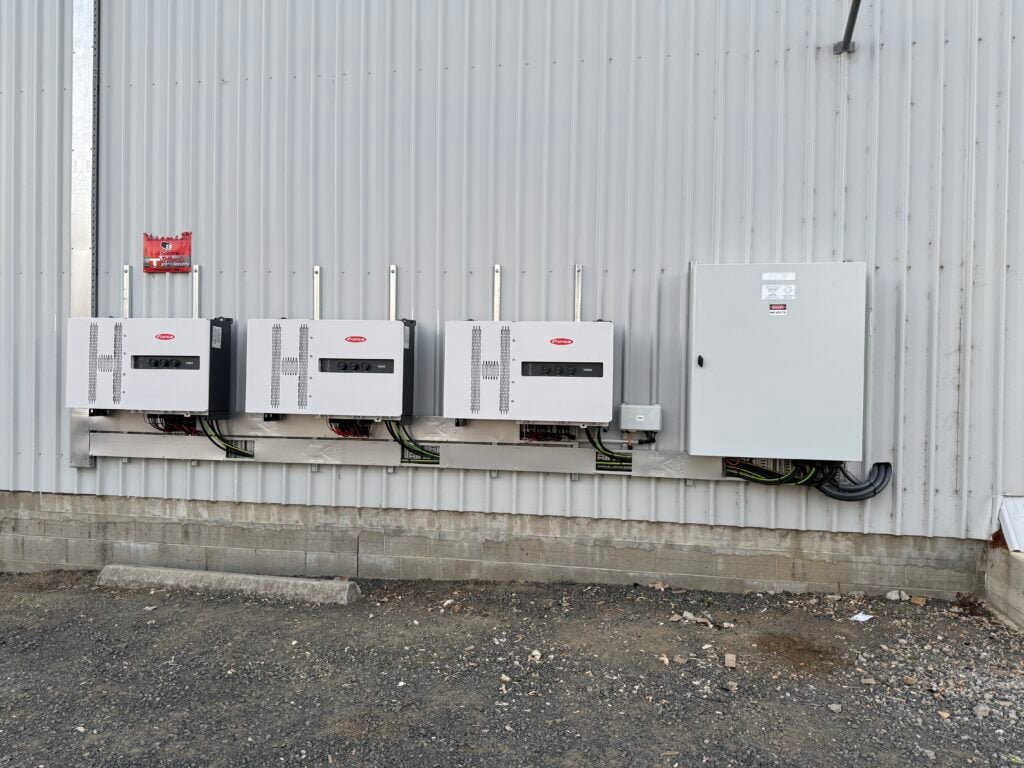
De Bortoli Wines is Australia’s 6th largest overall and second largest family winery located 6.5 hours west of Sydney in Bilbul. The installation involved the installation of solar to three main switchboards (MSBs) on multiple roofs throughout the site.  

Before working with SCE Energy Solutions and Tigo Energy, they had installed 250kW almost a decade ago and had firsthand experience of the issues associated with Legacy solar, fault finding, etc. like all wineries they also suffer from a mould that attaches to the rooflines and subsequently to the solar panels.

Before starting the project we had many issues with roof structure integrity and available roofs near the correct MSB. New build purlin spacing caught us out with mounting engineering having to be completed on the run seeing 500+ panels requiring three rail installations and the tilted panels to the new sheds needing a tripod tilt system in place of standard tilt legs.

The largest part of the system on the new twin sheds showed us ample space to install the array with no power cables to the MSBs. We had to run 3.1km of large 150mm cables underground, overhead and along buildings back to two separate MSBs in two different locations to complete the inverter connections.  

De Bortoli is a forward-thinking company that adopts early technologies that assist with achieving its 10% energy reduction target each year. They have been looking to increase their existing 250kW system for some time although now was the correct time to install a solar system to cover their site baseline given the recent large increases in energy costs. The new solar system will cover 30-35% of their total energy usage and when in full generation will see the three MSBs the solar is connected to powered completely from the sun.

De Bortoli Wines and SCE Energy Solutions

Having Tigo optimisation and monitoring will enable the highest PV system output. Optimization will allow them to mitigate string performance through individual panels being affected worse than others and the monitoring will allow them to see when panels are in need of a wash. The safety of rapid shutdown and the PV off buttons at every inverter station also gave them peace of mind when installing to most of their buildings and for servicing.  

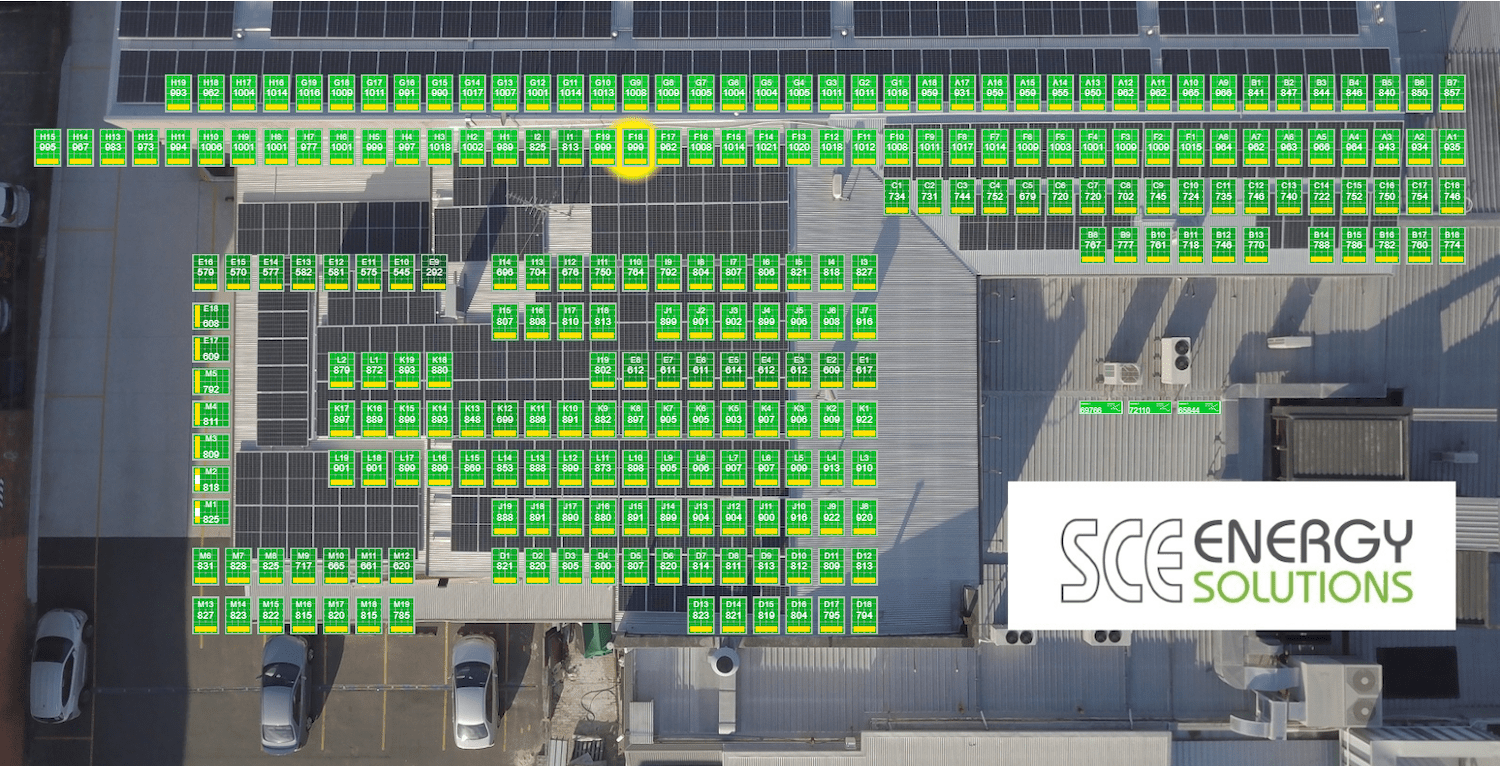
Tigo Energy Intelligence enables SCE Energy Solutions to view site performance down to each individual module. In addition, SCE and customers view the incremental energy production enabled by Tigo optimisers, shown in the stacked green bars.

Tigo Fleet Management Software deployed by SCE Enery Solutions monitors over 20,000 modules from one dashboard.
Tigo Energy, Inc. a leading provider of intelligent solar and energy storage solutions, today announced that long-time customer SCE Energy Solutions has deployed Tigo Fleet Manager, an extension to the Tigo Energy Intelligence (EI) platform, featuring a powerful interactive dashboard that provides rich and actionable system performance data from the fleet down to the module level. SCE Energy Solutions (SCE) uses Tigo EI Fleet Manager to uncover and operationalize sophisticated insights about the growing fleet of solar systems in its care to deliver the highest possible standards of performance, reliability, financial stability, and safety to its customers.
 

With more than 3.44 million photovoltaic installations deployed, the installers behind Australia’s growing solar energy sector need advanced solutions to deploy, monitor, and manage constantly expanding portfolios of customer solar systems. As a Tigo Energy customer for over a decade, SCE now uses the EI Fleet Manager to monitor system performance and manage operations and maintenance (O&M) across the more than 20,000 solar modules deployed in its fleet of customer systems by operationalizing system performance data down to the individual component and fully using customizable groupings of systems by common attributes like equipment type, location, size, or status.

“Tigo Fleet Manager has been a game-changer for us because it provides unprecedented visibility into our customer fleet, allowing us to deliver on our system performance commitments and offering valuable new services,” said Jon De Martin, CEO at SCE Energy Solutions. “As our solar portfolio continues to grow, it would have been nearly impossible to consolidate the countless data points we rely on to deliver best-in-class customer service. Beyond performance monitoring, we now have such fine-grained visibility into the hardware we’ve deployed that it has completely transformed our operations and maintenance. Tigo EI Fleet Manager, combined with the TS4 MLPE platform, allows us to deliver superior performance as we grow into more and larger solar systems.”

SCE customer De Bortoli Wines is Australia’s 6th largest overall and second largest family winery. With the goal of 10% energy reduction per year, the winemaker engaged SCE to update and expand its optimized solar generation capacity to 1.15MW. The new system comprises more than 2,200 solar modules, including the existing ones, yielding De Bortoli Wines a system that now offers protection to first responders with rapid shutdown, Tigo optimization to protect system performance from module soiling issues common to winery operations, and module-level monitoring for detailed insight to system performance. Through the Tigo EI Fleet Manager, SCE leverages sophisticated new data visualizations designed to elevate what is actionable, reduce alert fatigue, and present installers with an intuitive interface that tracks critical operational, production, and consumption data across all modules at the De Bortoli site.

“We are a sustainability-driven winery with a comprehensive plan to reduce our impact on the environment, and the large increases in energy costs of late only further validated the decision to expand our solar generation infrastructure aggressively,” said Tarek Heiland, head engineer at De Bortoli Wines. “SCE has been a great partner throughout the upgrade and expansion process, and we are excited to have the latest Tigo technology for safety and performance. This solar system now covers 30-35% of our total energy usage in full generation, and we could not be happier about this investment.”

From visibility into pending and in-progress installations to comprehensive system and production status indicators, the EI Fleet Manager offers system diagnosis and in-depth monitoring of more than a dozen critical health and performance metrics for deployed solar systems. With this level of visibility, Tigo EI Fleet Manager makes it easy to pinpoint and quickly deploy mitigations across devices from various vendors, from the system level down to the module. Tigo EI Fleet Manager supports all system sizes – including residential, commercial, and industrial solar deployments – and use cases, from large multi-system fleets to individual systems, in meeting their safety and financial goals. SCE  has deployed Tigo IE Fleet Manager across its entire portfolio of customer systems, including De Bortoli Wines, Planet Fitness, the headquarters of Komatsu, Australia, and more.

“We are delighted to see major solar installation companies like SCE fully exploit the power of energy data with EI Fleet Manager to improve the solar customer experience, deliver valuable new services, and streamline internal operations,” said Zvi Alon, CEO at Tigo Energy. “As the volume and fidelity of data produced by solar systems grow, so must the sophistication, speed, and ease with which that data can be turned into actionable information. Our fleet tools do exactly that, and the installers who make full use of them create benefits for their customers and their operations. We look forward to continuing our journey with SCE as they grow their business and  continue raising the bar for solar performance, reliability, and safety in Australia.”

For more information about Tigo EI Fleet Manager and how solar installers like SCE Energy Solutions leverage the platform to manage growing portfolios of customer installations, please read the case study here.

This article was written and published by Tigo Energy.

Gym owners are no strangers to high energy bills with the significant amounts of power required to keep the air conditioning on and equipment running. However, with the ever-increasing energy costs, more and more gym owners in Australia are turning to commercial solar systems to power their facilities. But is it worth the investment? 

In this blog, we’ll explore the key reasons why our customers, in particular gym owners, have been investing in commercial solar systems, including the long-term cost savings, positive environmental impact, reduced reliance on the grid, tax benefits and how they can enhance the value of your property. 

Here are six benefits of commercial solar systems for gym owners: 

1. Lower Energy Costs

One of the biggest advantages of commercial solar systems is that they can help you save money on your energy bills. This is especially important for gyms that use a lot of electricity, By generating your own electricity, you’ll be able to reduce your dependence on the grid and avoid costly peak energy rates. This means that your solar panels are paying themselves off in energy savings within 2.5 to 3.5 years!

2. Increased sustainability

If you’re committed to reducing your gym’s environmental impact, commercial solar systems are a great way to do it. Solar energy is clean, renewable, and produces no greenhouse gas emissions, so you’ll be able to run your gym with a much smaller carbon footprint. 

For example, the 97.2kw Tigo Energy Smart Solar System we installed at Planet Fitness Thuringowa in Northern Queensland is reducing 120, 240 kg of CO2 emissions every year.

Planet Fitness Thuringowa Solar Installation
3. Improved reputation 

Consumers are becoming increasingly aware of the impact of their choices on the environment. By installing a solar system, you’re demonstrating your commitment to sustainability and reducing your carbon footprint. This can enhance your reputation and attract customers who are looking for environmentally conscious businesses to support.

At SCE Energy Solutions, we provide you with an entire media package, including photos and videos of the installation, a carbon reduction certificate and a live solar website so you can showcase to your customers the conscious effort your business is making to become more sustainable. 

4. Significant Returns on Investment

While the initial investment in a solar system can appear significant, with extremely high energy rates some of our customers are paid these off in under 3 years. Firstly, it’s important to know that solar panels are built to last. Most manufacturers offer warranties ranging from 25 to 30 years, with the panels continuing to operate efficiently even after the warranty period. This means you can expect decades of clean energy generation and substantial savings on your energy bills. 

We conduct a thorough financial analysis to determine the specific ROI of a commercial solar system for your gym. We assess factors such as your energy consumption, available roof or ground space for solar panels, tax incentives, and system costs to provide accurate projections of the financial benefits and payback period. 

5. Enhanced property value 

Commercial solar systems can increase the value of your property! If you own the building that houses your gym, installing solar panels can make it more attractive to potential buyers or tenants. Solar panels are a highly desirable feature for businesses that are looking to reduce their environmental impact and energy costs, so having them installed can make your property more competitive in the market.

6. Tax Credits and Incentives

In addition to the savings on your energy bills, installing a commercial solar system can also make you eligible for tax credits and incentives. The Australian federal government offers several tax incentives and rebates to encourage businesses to invest in renewable energy, as well as some Australian states and Territories. 

To determine what incentives and rebates are available for your business, you can consult with our solar specialists to help you navigate the various options and requirements for your property here. 

Ready to slim your energy bills?  

In conclusion, installing a commercial solar system is an excellent way for gym owners to cut costs, improve energy reliability, enhance their reputation, and make a long-term investment in their business. 

If you’re interested in learning more about commercial solar systems for your gym, schedule a free consultation with our team who can assess your energy and help you design a custom system that meets your needs and budget. With the right system in place, you’ll be able to power up your gym while also powering up your commitment to sustainability. 

Industry trade partner The Lamson Group is running a solar farm of 767 panels on the rooftop of its Sefton factory, addressing a key part of its strategic plan to reduce its carbon footprint.

The panels, installed in stages by SCE Energy Solutions over a period of four years, comprise one of the largest solar power installations in the industry, providing The Lamson Group with the ability to be totally off-grid at its main site.

“Five years ago we decided to lead the trade market in our environmental footprint. Our partners were being asked about their supply chain and we wanted to be leaders to allow our partners to succeed. Our partners, which include print managers,  printers, copy shops and mailing houses, are also increasingly keeping an eye on environmental impacts and carbon footprints, so it made sense to invest and to do the right thing,” says The Lamson Group CEO Rodney Frost.

“In November 2018, we installed our first system of 312 panels on one of the roofs and we let that tick along for a couple of years, just to make sure that it performed as proposed. We decided to invest in a full solar farm on all of the available roof space that we have  to be able to cater for more than what we currently require.”

“The solar power installation has led into something we’re proud of, in terms of doing the right thing for the environment – when the sun’s up our main site is off the grid,” he adds, pointing out that as far he knows, The Lamson Group is the only trade only business that is totally off the grid at its main site.

Frost says that in terms of savings, there has been a four and a half year return. The 767 panels receive just under 305KW per hour and so far, have been able to save 235 tonnes of CO2 a year.

“Ultimately, however it’s not only about the cost savings. It’s also trying to do the right things for the right reasons,” he says.

Frost can see how the move towards reducing CO2 emissions can benefit others in the industry and hopes that The Lamson Group can act as a role model and leader in the environmental sector, offering advice to other companies going the same route.

“This is something that’s not competitive in nature. It’s a collective incentive for the greater good and those generations ahead. And, as power prices go up, it’s a way to get on the front foot of energy saving,” he says.

“I’m happy to talk to anyone that is considering going through the process just to give them a heads up on what to be careful of. It’s not a hard process to have a look and find out what your return and CO2 reduction will be. The technology is precise, and within a couple of months an ROI can be obtained to see how long it’s going to take to see a payback and how many tonnes of carbon footprint you’re going to reduce.”

The Lamson Group website shows live statistics, and is transparent about what is being generated, which Frost says is something to be proud of.

“All of the information about our CO2 savings and power generation is available  on our website. If you go into the environment section on the site, you can see the statistics of what every single panel is generating live. That’s pretty cool technology,” he concludes.

Credit: Article by Print 21. 


 Tigo Energy Inc., the solar industry’s worldwide leader in Flex MLPE (Module Level Power Electronics), announced today that Australia’s SCE Energy Solutions has deployed more than 7MW of monitored solar energy across 800 commercial, residential, and rural solar installations. SCE has leveraged the Tigo Energy Intelligence (EI) software platform to expand its service-oriented approach to maximize the benefits of the Tigo platform for its clients across Australia.

SCE Energy Solutions uses the advanced chart pages for fleet management and kiosk view from Tigo Energy to enable two unique services for clients. Using the data provided by the EI software platform, SCE conducts weekly maintenance checks for system owners to ensure their systems are operating at peak performance. The kiosk view of the EI platform enables SCE to set up a screen for residential and commercial system owners through which they can showcase energy production and their commitment to renewable energy customers, colleagues, and friends.

SCE Energy Solutions has used Tigo TS4 Flex MLPE optimizers with remote module level monitoring since 2012. Since that time, SCE has implemented Tigo’s technology to service system owners throughout the Commonwealth of Australia, monitor their fleet remotely, and help customers highlight their investments in solar energy. Additionally, SCE provides critical feedback to Tigo for continuous improvement to the platform.

Read the full article here.